
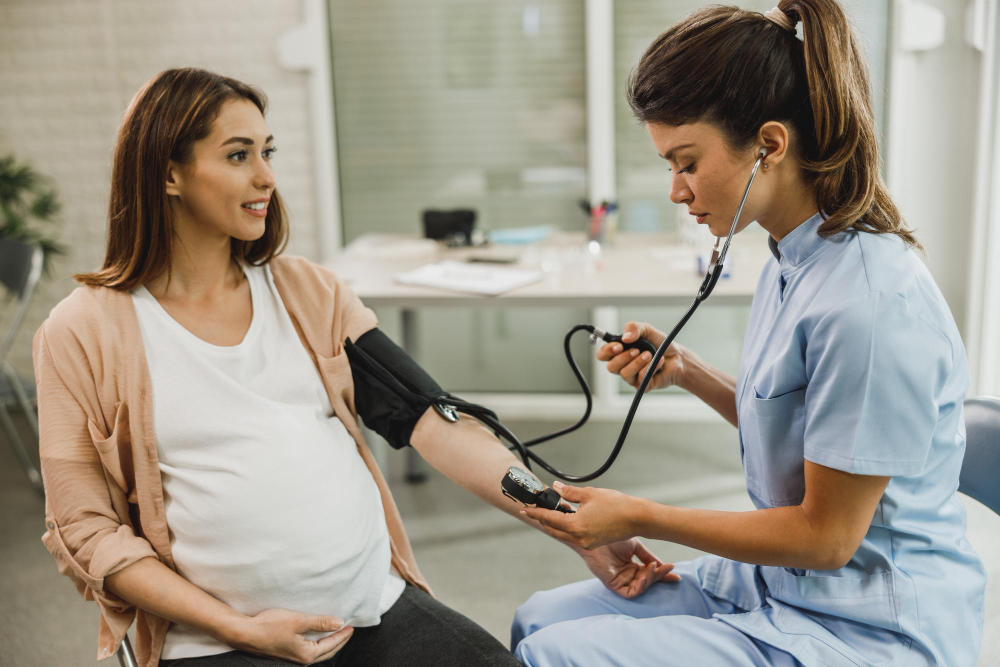
Blood pressure monitoring during pregnancy is very important for both mother and baby. Early checks help spot problems like high or low blood pressure. In fact, pregnancy blood pressure risks can affect health before and after birth. Because of this, monitoring hypertension in pregnancy is a key part of safe pregnancy tips. Regular checks can help prevent serious issues and keep you and your baby healthy.
What Is Blood Pressure Monitoring?
Blood pressure monitoring means checking the force of blood against your artery walls. Usually, a nurse or doctor uses a cuff on your arm. However, you can also use a home device. The reading has two numbers. The first is systolic (top number), and the second is diastolic (bottom number). Both numbers are important for your health. Regular checks help find changes early. For pregnant women, these checks are even more important.
Why Is Blood Pressure Monitoring Important During Pregnancy?
During pregnancy, your body changes in many ways. Because of these changes, blood pressure can go up or down. Sometimes, high blood pressure can lead to problems like preeclampsia. This is a serious condition that can harm both mother and baby. On the other hand, low blood pressure can cause dizziness or fainting. Therefore, monitoring blood pressure helps catch these problems early. Early action can keep you and your baby safe.
Risks of High and Low Blood Pressure in Pregnancy
Both high and low blood pressure can be risky during pregnancy. According to the CDC and WHO, these risks include:
Because of these risks, regular blood pressure checks are a must. Early detection helps prevent serious problems. In many cases, simple steps can lower these risks.
How to Monitor Blood Pressure at Home
Many women choose to check their blood pressure at home. This is easy with a digital monitor. To do this safely, follow these steps:
Always use the same arm for each check. For best results, check at the same time each day. If you are unsure, ask your doctor for help.
When to Seek Medical Help
Sometimes, blood pressure changes need quick action. You should call your doctor if you notice:
Do not wait if you feel unwell. Early help can prevent serious problems for you and your baby.
Tips for Maintaining Healthy Blood Pressure During Pregnancy
There are many ways to keep your blood pressure in a healthy range. For example, you can:
In addition, always follow your doctor’s advice. These steps can help you have a safer pregnancy.
Prevention and Lifestyle Guidance
Preventing blood pressure problems starts with healthy habits. For instance, regular check-ups help spot changes early. If you have a history of high blood pressure, tell your doctor. They may suggest more frequent checks. Also, avoid smoking and alcohol, as these can raise your risk. If you live in a city with high stress, try to find time to relax. Simple changes can make a big difference for you and your baby.
In summary, blood pressure monitoring during pregnancy is vital for your health and your baby’s safety. Regular checks, healthy habits, and quick action can prevent many problems. Consult your healthcare provider for personalized advice on blood pressure monitoring during pregnancy.