
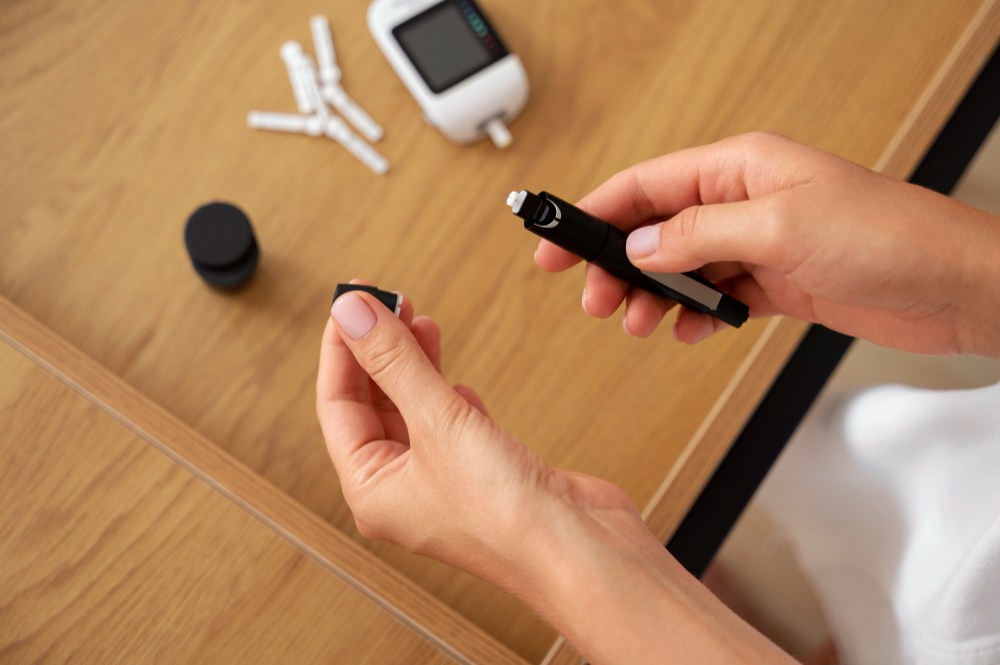
What is Type 2 Diabetes?
Type 2 diabetes is a long-term health condition. It affects how your body uses sugar, also called glucose. In this condition, your body does not use insulin well. Insulin is a hormone that helps move sugar from your blood into your cells. Because of this, sugar builds up in your blood. Over time, high blood sugar can harm your heart, eyes, kidneys, and nerves. According to the CDC, Type 2 diabetes is the most common form of diabetes.
Common Symptoms of Type 2 Diabetes
Many people with Type 2 diabetes do not notice symptoms at first. However, some signs can develop slowly. If you notice these symptoms, it is important to talk to your doctor:
Sometimes, people may not have any symptoms. For this reason, regular check-ups are important, especially if you have risk factors.
Main Causes and Risk Factors
Type 2 diabetes develops when your body cannot use insulin well. As a result, blood sugar levels rise. Several factors can increase your risk. For example, you may be more likely to get Type 2 diabetes if you:
Although you cannot change some risk factors, you can lower your risk by making healthy choices.
Diagnosis Methods
Doctors use simple blood tests to diagnose Type 2 diabetes. Early diagnosis helps prevent serious problems. Common tests include:
If your test results are high, your doctor may repeat the test to confirm the diagnosis. Sometimes, doctors also check for prediabetes, which means your blood sugar is higher than normal but not high enough for diabetes.
Treatment Options for Type 2 Diabetes
Managing Type 2 diabetes is important for your health. Treatment usually includes lifestyle changes and, sometimes, medication. Your doctor will help you choose the best plan. Here are common treatment options:
Lifestyle Changes
Medications
Because everyone is different, your doctor will create a plan that fits your needs. Regular check-ups help track your progress.
Prevention Tips: How to Prevent Type 2 Diabetes
Although you cannot change your age or family history, you can lower your risk of Type 2 diabetes. Try these prevention tips:
Even small changes can make a big difference over time. For example, walking for 30 minutes a day can help lower your risk.
Living Well with Type 2 Diabetes
With the right care, people with Type 2 diabetes can live healthy, active lives. Here are some tips for living well:
Remember, you are not alone. Many people manage Type 2 diabetes successfully with support and good habits.
Conclusion
Type 2 diabetes is a common but serious health condition. However, with early diagnosis and the right treatment, you can manage it well. If you notice symptoms or have risk factors, talk to your doctor. Consult a healthcare professional for personalized advice on managing Type 2 diabetes.